Hydropower control system retrofits are rarely limited to replacing an old cabinet with a new one. The governor, excitation system, monitoring system, hydraulic equipment, protection devices, sensors, actuators, and auxiliary controls operate as an interconnected system.
Before determining the retrofit scope, the project team should first evaluate the existing equipment, operating requirements, system interfaces, and future maintenance needs. A structured assessment helps prevent interface conflicts and provides a practical basis for equipment selection, installation, testing, and commissioning.
1. Define the Existing System and Retrofit Boundary
The first step is to establish what equipment is currently installed and which parts need to be retained, upgraded, or replaced.
The assessment should cover the turbine governor, excitation system, plant monitoring system, unit control equipment, hydraulic actuators, protection devices, auxiliary systems, field instruments, and communication connections.
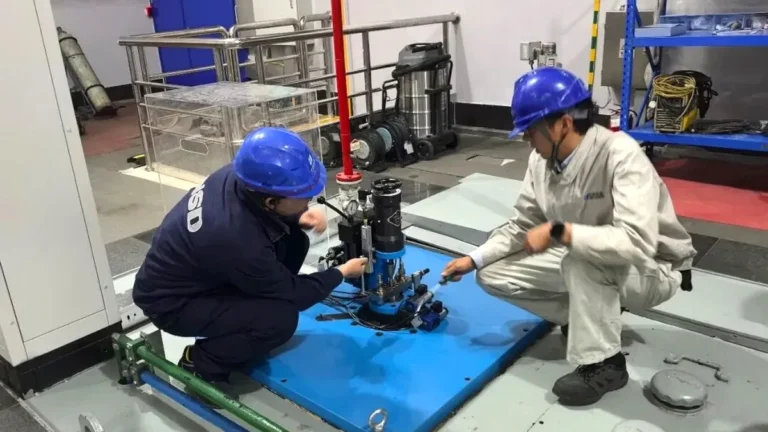
Available drawings, I/O lists, cable schedules, control logic documents, operating records, and equipment manuals should also be reviewed. If the original documentation is incomplete, an on-site inspection may be necessary to confirm the actual equipment configuration.
A clear retrofit boundary is especially important when a new control cabinet must continue operating with existing hydraulic or electrical equipment.
2. Evaluate the Turbine Governor and Hydraulic Control Equipment
A turbine governor retrofit involves more than the digital controller. The condition and operating characteristics of the hydraulic control equipment must also be considered.
The evaluation should include the oil pressure system, main control valve, servomotors, feedback devices, speed signals, emergency shutdown devices, and guide vane closing arrangement.
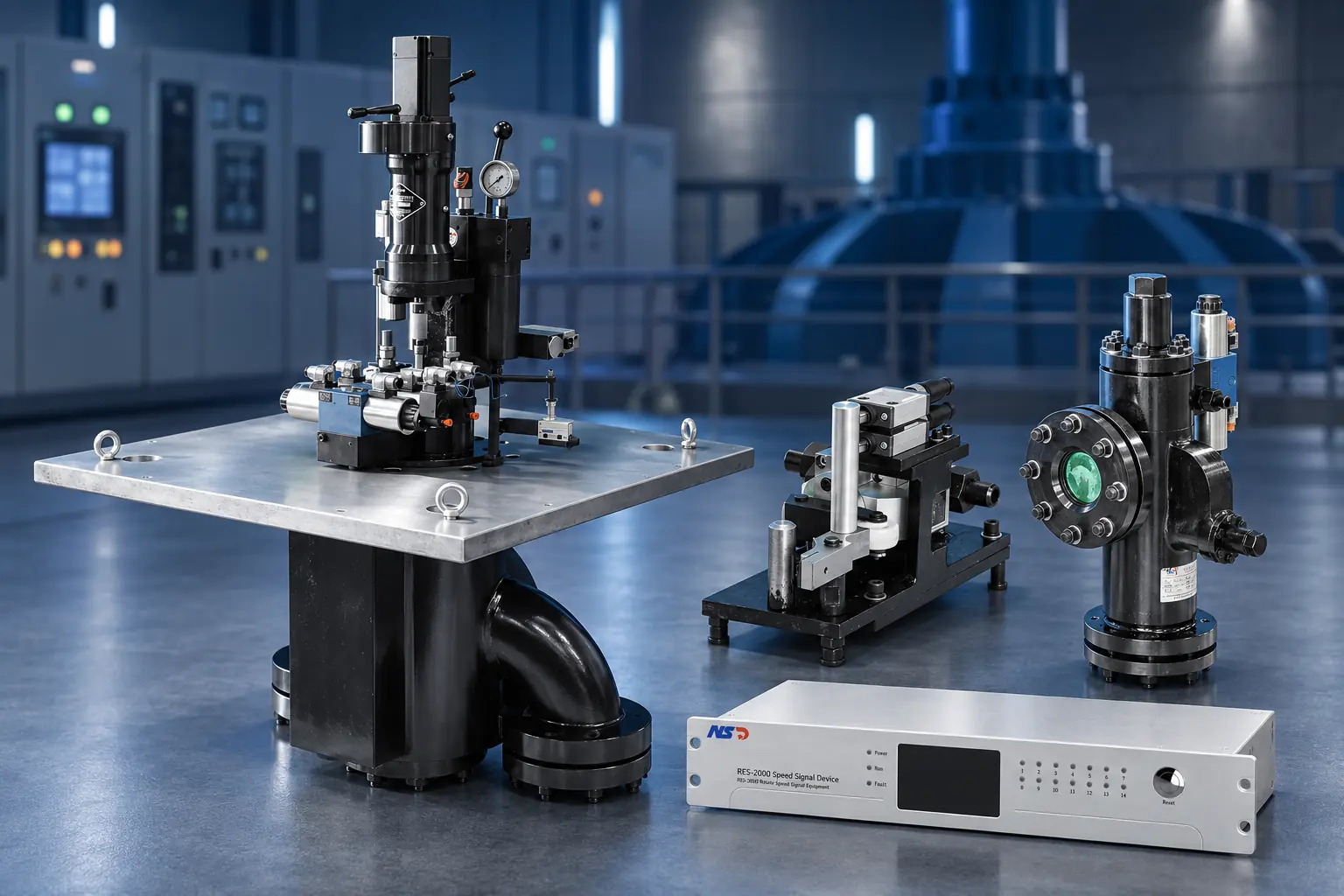
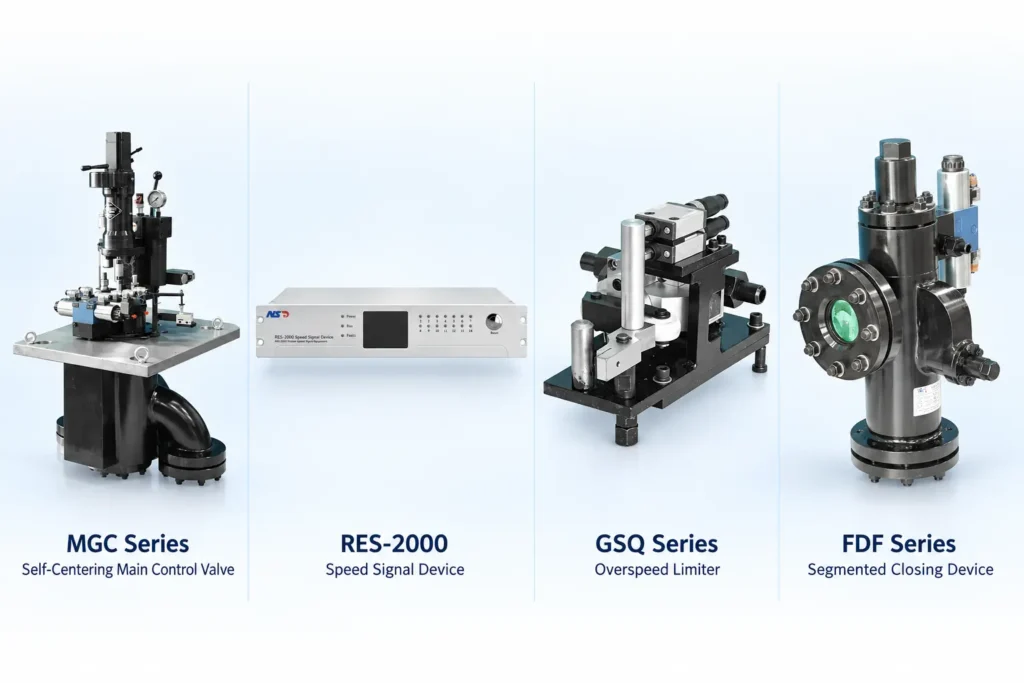
For example, NSD’s self-centering main control valve solution supports automatic neutral return and manual operation. These functions are relevant when evaluating how the unit should respond during power loss, control channel switching, or maintenance.
The GSQ Overspeed Limiter provides an independent protection function. When abnormal overspeed occurs together with governor failure, the device can bypass the governor and directly support emergency guide vane closure.
The FDF Segmented Closing Device controls the guide vane servomotor through fast and slow closing stages. Its role should be evaluated together with the unit’s hydraulic characteristics and shutdown requirements rather than treated as an isolated valve replacement.
3. Check Speed Measurement and Protection Signals
Reliable speed measurement is essential for unit start-up, speed regulation, synchronization, shutdown, and protection.
The assessment should confirm the condition and compatibility of the existing speed-measuring sources, signal wiring, power supply, alarm outputs, and connections to the governor and plant monitoring system.
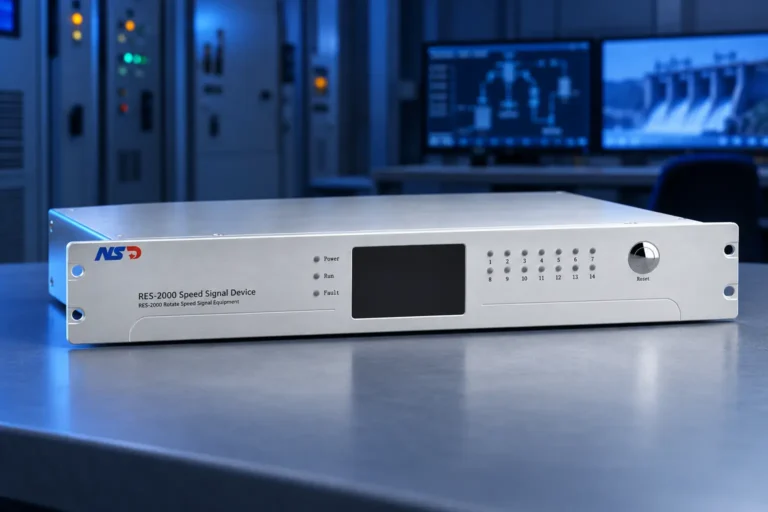
The NSD RES-2000 Speed Signal Device is designed for hydro-generator unit automation and protection. It obtains measurement signals from the generator terminal voltage transformer and the speed-measuring gear disc. When introducing this type of device into an existing station, the available signal sources and required interfaces should be verified in advance.
4. Review Excitation and Automation Interfaces
The governor does not operate independently from the excitation and automation systems. During a retrofit, the project team should confirm how information and commands are exchanged among the different systems.
Important items include start and stop commands, unit status, speed and load signals, voltage and reactive power information, alarms, protection actions, and communication connections.
The existing generator sensors, voltage and current measurement circuits, PLC equipment, local control units, operator stations, and field instruments should also be checked for compatibility with the proposed system.
This is particularly important when only one control system is being replaced while the other systems remain in service.
5. Confirm Operating Modes and Test Requirements
The new system should be evaluated against the unit’s actual operating duties rather than only its rated capacity.
The project team should identify the required operating modes and control sequences, including unit start-up, speed regulation, synchronization, load adjustment, normal shutdown, emergency shutdown, and manual operation.
Factory testing and on-site commissioning requirements should then be defined according to these operating conditions. Signal checks, control logic verification, actuator tests, protection tests, and coordinated system tests should be planned before the equipment is installed.
A staged commissioning plan can also help reduce uncertainty when the retrofit must be completed within a limited shutdown period.
6. Consider Spare Parts and Long-Term Maintenance
A retrofit should improve not only current operation but also future maintainability.
The assessment should therefore consider the availability of replacement components, consistency of hardware platforms, accessibility of technical documents, diagnostic functions, and the ability to maintain the equipment over its service life.
Standardized and modular equipment can simplify future replacement and maintenance, but the selected solution must still match the existing plant interfaces and operating requirements.
Choosing the Appropriate Retrofit Scope
Depending on the assessment results, the appropriate solution may be the replacement of an individual device, an upgrade of one control cabinet, or a coordinated retrofit involving the governor, excitation, automation, hydraulic control, and protection equipment.
There is no single retrofit configuration suitable for every hydropower plant. The final scope should be based on the unit type, existing equipment condition, operating requirements, interface compatibility, shutdown schedule, and long-term maintenance plan.
NSD Electric provides governor systems, excitation systems, automation and auxiliary control equipment, retrofit components, spare parts, and technical support for hydropower projects. By evaluating the complete control chain before equipment selection, plant owners and project teams can develop a retrofit solution that is practical, coordinated, and suitable for the actual operating conditions.