A hydropower generating unit needs both a turbine governor and an excitation system. Both respond to measurements and adjust the unit’s behavior, but they act on different parts of the energy conversion process.
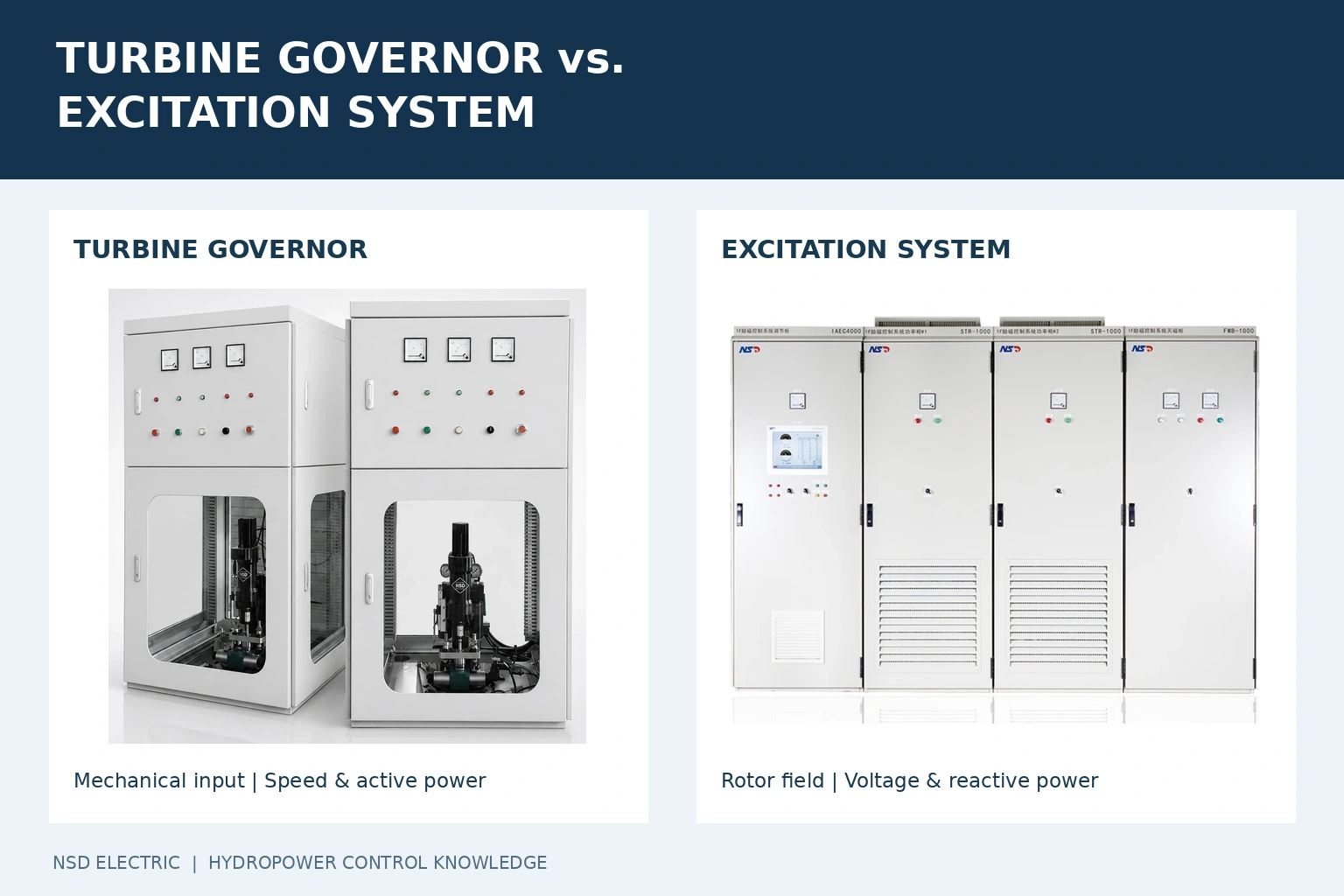
The governor controls the turbine’s mechanical input. The excitation system controls the generator’s magnetic field. Understanding this distinction helps explain how a unit builds up speed and voltage, connects to the grid and changes its electrical output.
The Governor Controls Mechanical Input
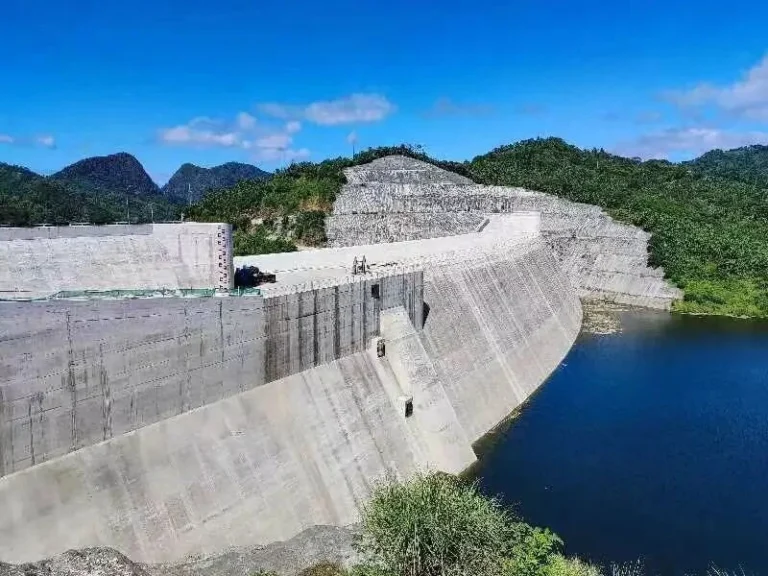
In a hydropower plant, water supplies the energy that drives the turbine. The governor sends commands to hydraulic actuators that adjust the turbine’s water-control mechanisms. Depending on turbine type, these may include guide vanes, runner blades, or Pelton needles and deflectors.
By changing mechanical input, the governor influences the balance between turbine torque and the electrical load on the generator. Its operating objective depends on whether the unit is starting, supplying an isolated system or connected to a larger grid.
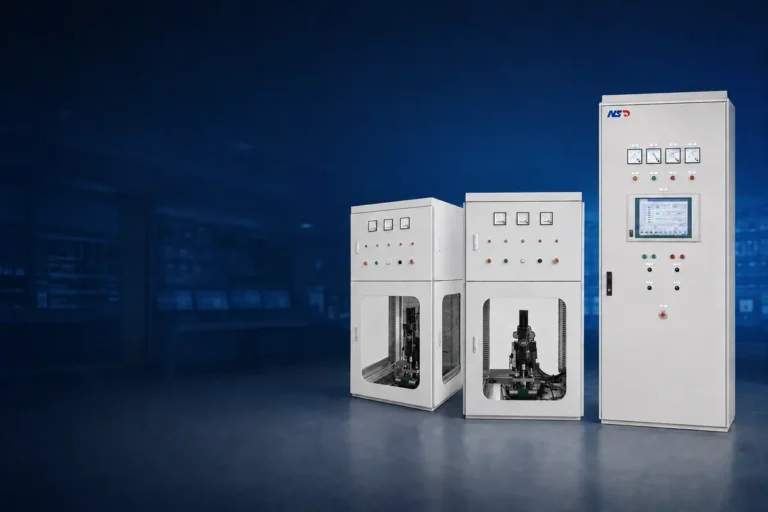
NSD Electric’s governor portfolio covers conventional hydropower, reversible pumped storage and Pelton turbine applications.
The Excitation System Controls the Magnetic Field
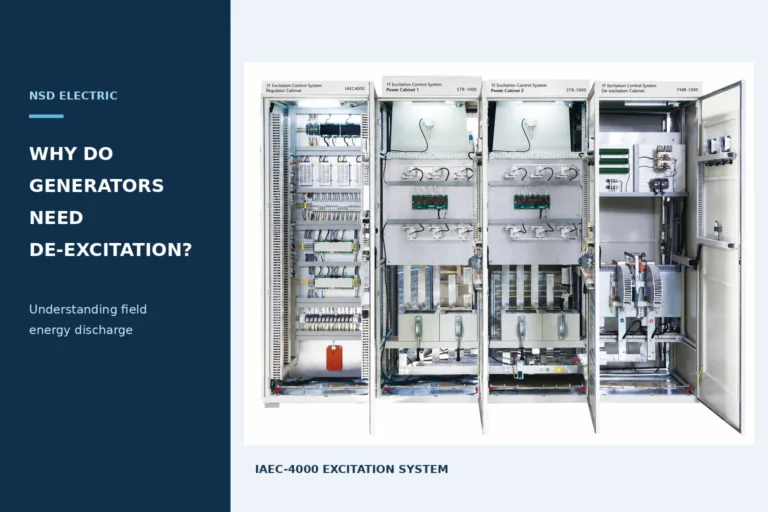
A conventional synchronous generator requires a rotor magnetic field. Its excitation system supplies and regulates the current that establishes this field, either directly or through an exciter.
Changes in excitation influence generator terminal voltage and reactive power exchange. In automatic voltage regulation mode, the regulator uses voltage feedback to adjust excitation toward a defined reference, subject to the configured limits and other control functions.
The excitation system therefore acts through an electrical path, while the governor acts through the turbine’s mechanical and hydraulic path.
Active Power and Reactive Power
Active power, normally expressed in kW or MW, represents the average rate at which electrical energy is converted into useful work and heat. In a hydropower generator, its sustained production requires mechanical energy from the turbine.
Reactive power, expressed in kvar or MVAr, describes the alternating exchange of energy associated with magnetic and electric fields. It affects voltage conditions and equipment loading, even though it does not represent net energy delivered over a complete AC cycle in the same way as active power.
Mechanical input is the principal means of changing a synchronous generator’s active power. Excitation is the principal means of changing its reactive power exchange. These controls remain coupled through the generating unit and network; the distinction describes their main roles.
Before Connection: Establishing Speed and Voltage
Before connection to a live bus, the unit must reach suitable conditions for synchronization.
The governor adjusts turbine input to bring the generator toward the required speed and frequency. The excitation system establishes generator voltage. The synchronizing scheme checks the required electrical conditions before permitting connection.
Reaching the correct speed alone is therefore insufficient. Mechanical and electrical control functions must work together with the synchronizing scheme.
After Connection to a Strong Grid
Once synchronized to a strong grid, a generator does not freely change speed whenever the governor reference changes. Its steady operating speed follows grid frequency and the machine’s pole count.
Increasing turbine mechanical input primarily increases active power delivered to the grid. Governor settings can also provide a defined response to frequency deviations, according to the operating mode and plant requirements.
Similarly, excitation changes primarily alter reactive power exchange when the generator is connected to a strong network. A single unit cannot independently impose its selected voltage on the entire grid. Actual terminal-voltage response depends on network strength and the electrical connection.
This explains why a governor can adjust load while speed changes very little, and why an excitation adjustment can change MVAr without a comparable change in MW.
Supplying an Isolated System
When a unit supplies an isolated network, the balance between mechanical input and electrical demand directly affects speed and frequency. The governor responds to that balance, with the result depending on its control mode and any load-sharing arrangement.
The excitation system regulates voltage as load conditions change. Where several generators operate together on an isolated bus, both active and reactive load sharing require appropriate coordination.
A single isolated generator and a machine connected to a strong grid should therefore not be described as having identical control behavior.
A Practical Comparison
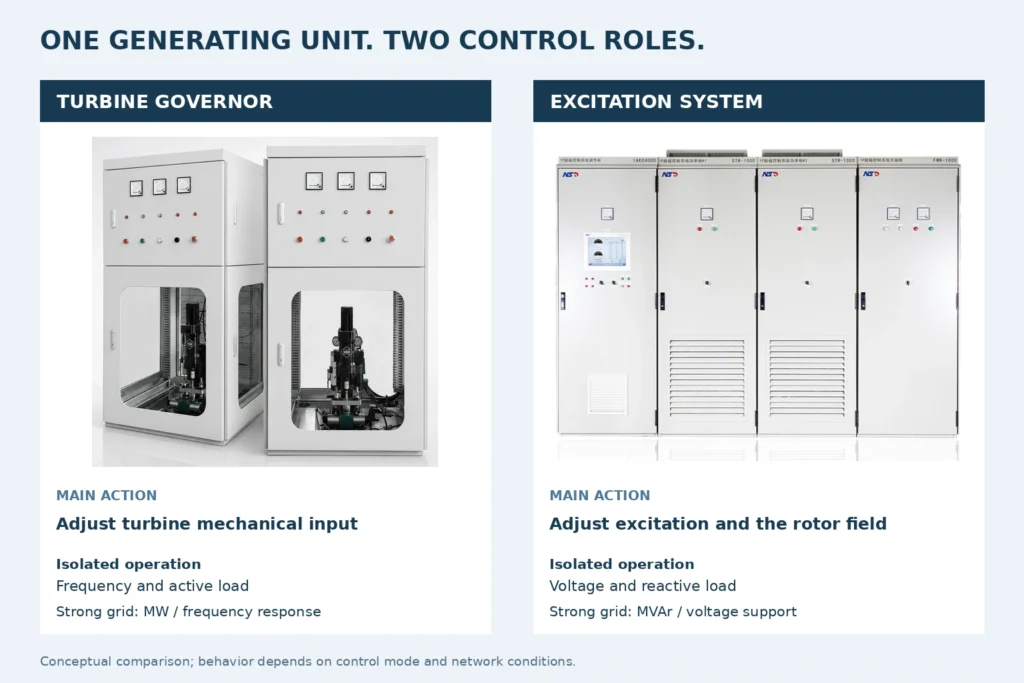
| Aspect | Turbine governor | Excitation system |
|---|---|---|
| Main action | Adjusts turbine mechanical input | Adjusts excitation and rotor field |
| Typical controlled equipment | Hydraulic actuators and turbine water-control mechanisms | Exciter or excitation power converter |
| Before grid connection | Supports speed and frequency adjustment | Supports voltage buildup and adjustment |
| On a strong grid | Primarily adjusts active power; may provide frequency response | Primarily adjusts reactive exchange and contributes to voltage control |
| In isolated operation | Supports frequency regulation and active load sharing | Supports voltage regulation and reactive load sharing |
Two Systems Working on One Unit
The governor and excitation system have distinct responsibilities, but their operation must fit the same unit sequence and plant control philosophy. Breaker status, operating mode, measurements, limits and protection interfaces all affect how the generating unit responds.
NSD Electric provides both turbine governor and excitation systems for hydropower applications. Understanding the role of each system gives plant owners and engineering teams a clearer basis for discussing operation, system interfaces and future upgrades.