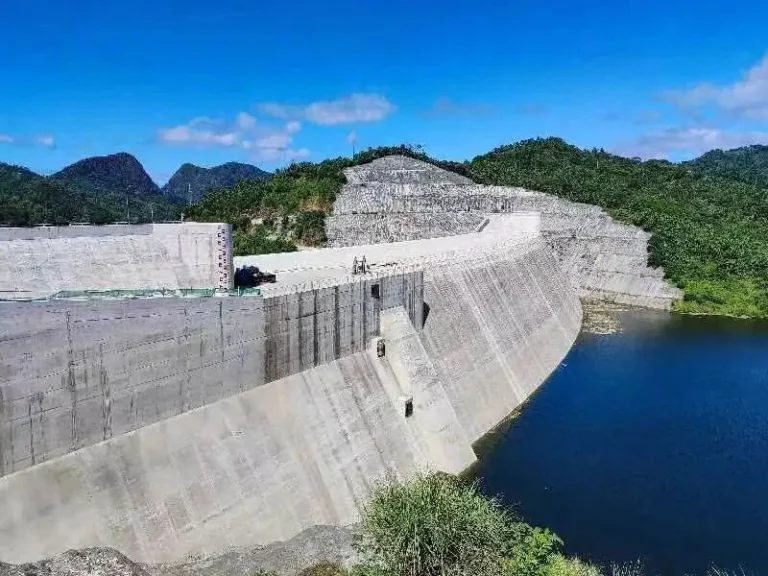
A small hydropower project may use smaller generating units, but it still requires close coordination among hydraulic equipment, generators, valves, electrical systems, plant control, protection, measurement, and auxiliary equipment.
If these systems are designed and supplied separately without sufficient interface coordination, the project team must manage more technical boundaries during design, installation, commissioning, and operation.
A water-to-wire solution addresses the hydropower plant as an integrated electromechanical system rather than as a collection of unrelated products.
NSD Electric’s Definition of Small Hydropower
Within NSD Electric’s small hydropower solution, the scope covers hydropower plants with an individual unit capacity below 30 MW.
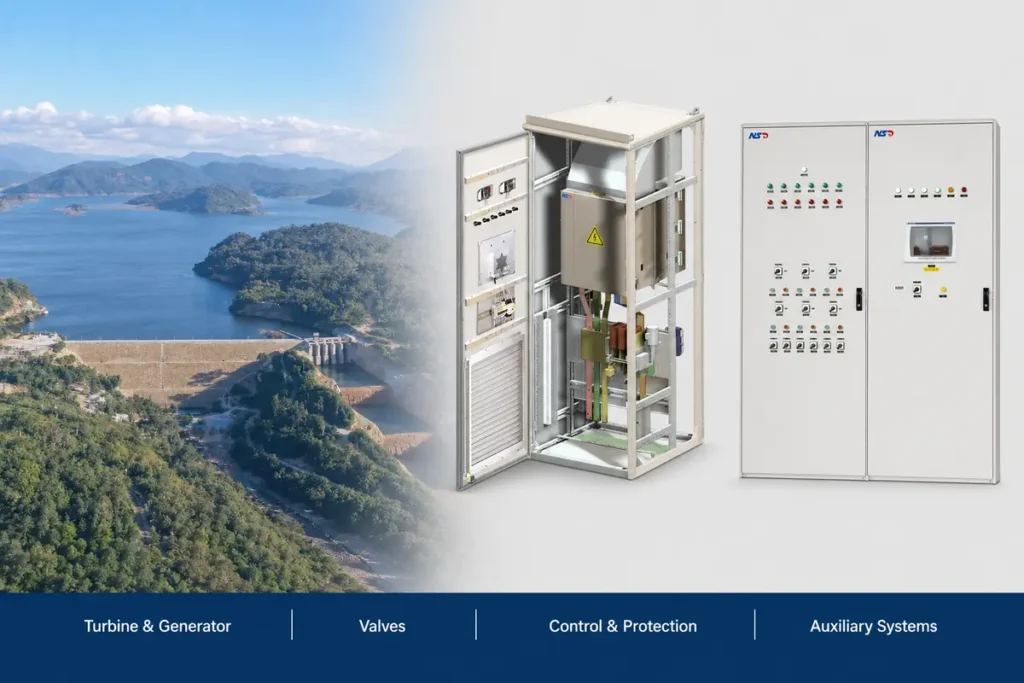
The complete water-to-wire package can include turbines, generators, valves, control systems, protection systems, measurement systems, and the plant’s auxiliary electromechanical equipment.
The actual configuration is developed according to the available water head, flow conditions, project layout, and site requirements. Therefore, a water-to-wire solution is not a fixed equipment package. It is an engineered combination of systems selected for a specific hydropower project.
Turbine and Generator Equipment
The turbine converts the available hydraulic energy into mechanical rotation, while the generator converts that mechanical energy into electrical power.
Turbine selection must correspond to the project’s head, flow, expected operating range, and site conditions. The generator must then be matched to the turbine’s output and operating characteristics.
Treating the turbine and generator as one coordinated unit is an essential starting point for the overall electromechanical design.
Valves and Water Control Equipment
Main inlet valves and related hydraulic equipment control or isolate the water flow entering the turbine.
Their design must be coordinated with the turbine arrangement, pipeline conditions, hydraulic pressure system, operating sequence, and plant safety requirements.
Valve control also needs to communicate correctly with the governor, unit control system, protection system, and plant monitoring system.
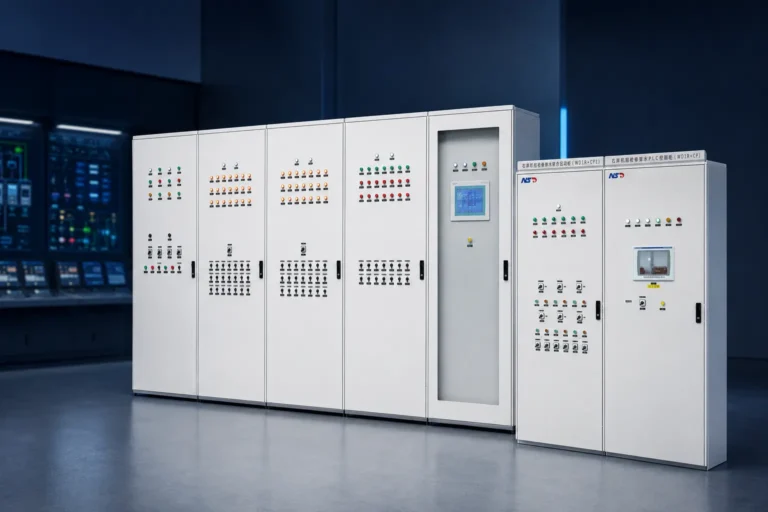
Control, Protection, and Measurement
The control system manages unit startup, shutdown, operating transitions, and equipment status. The governor regulates turbine speed and active power, while the excitation system regulates generator voltage and reactive power.
Protection equipment identifies abnormal operating conditions and initiates the required protective actions. Measurement systems provide the electrical, mechanical, and process signals needed by operators and automatic control equipment.
When these functions are developed as part of one coordinated solution, communication interfaces, control logic, signal definitions, and operating sequences can be considered together during the engineering stage.
Auxiliary Electromechanical Systems
A hydropower unit also depends on auxiliary equipment that supports continuous operation. Depending on the plant configuration, this may include oil, water, compressed-air, drainage, cooling, filtration, and other balance-of-plant systems.
Although these systems are not the main generating equipment, their operating status can directly affect unit availability and safe plant operation. Their control and monitoring should therefore be coordinated with the main plant automation system.
Why Project-Specific Configuration Matters
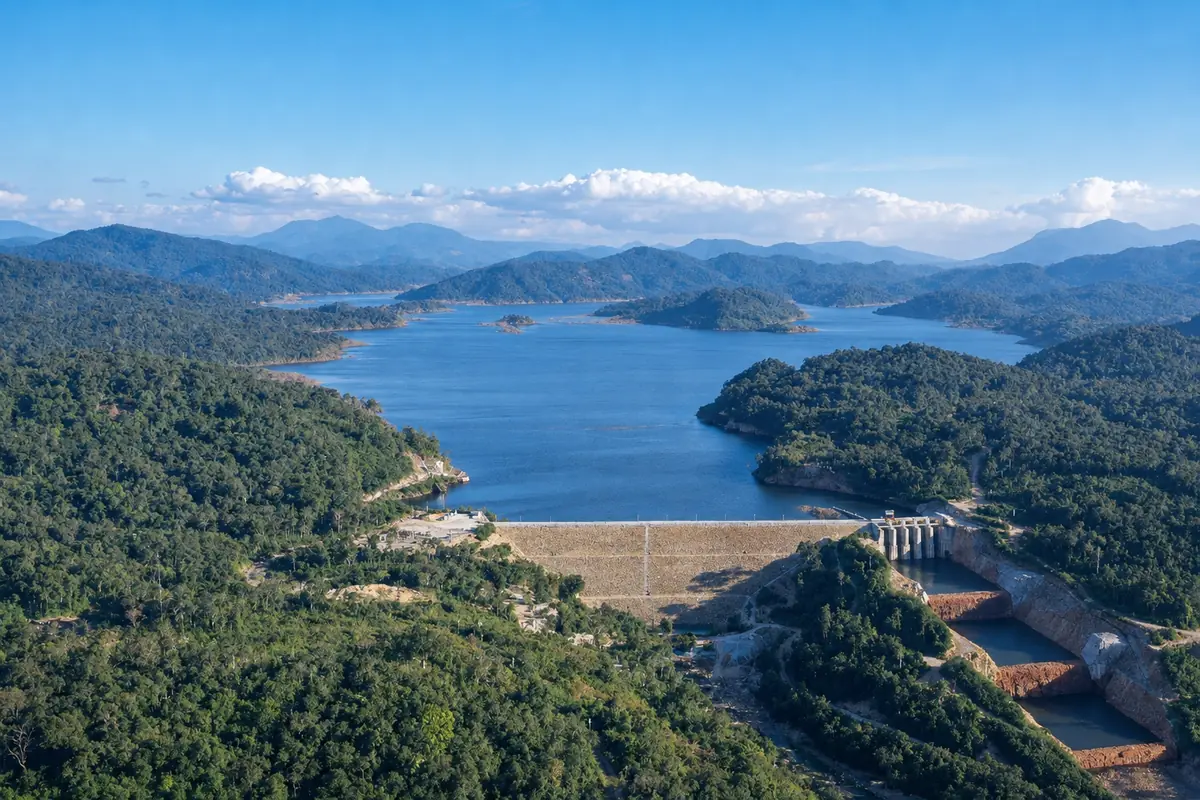
Small hydropower plants differ significantly in water resources, civil layout, installed capacity, grid conditions, operating objectives, and local technical requirements.
Before preparing a water-to-wire solution, the project owner or EPC contractor should provide available head and flow data, unit capacity, expected operating range, general plant layout, electrical requirements, grid connection conditions, required control level, and installation schedule.
Based on this information, the turbine, generator, valves, control, protection, measurement, and auxiliary equipment can be configured as one complete electromechanical scope.
NSD Electric’s small hydropower solution is designed to support efficient power generation, a more compact powerhouse arrangement, and shorter equipment delivery, installation, and commissioning schedules through coordinated project engineering.
NSD Electric provides equipment supply, system integration, installation support, commissioning, and long-term technical service for small hydropower projects.